Whether you’re organizing a conference, trade show, or corporate meeting, knowing how many people will show up impacts everything from your BEO (Banquet Event Order) to room blocks, seating layouts, staffing, and overall attendee experience. Simply put: better attendance tracking leads to better forecasting — and better events.
The most reliable place to begin is your past events. Look at registration numbers versus actual attendance. Did 80% of registrants show up? Or was it closer to 60%? Patterns will emerge over time based on event type, location, price point, and audience.
For example:
Tracking this data consistently allows you to create a realistic baseline instead of relying on guesswork.
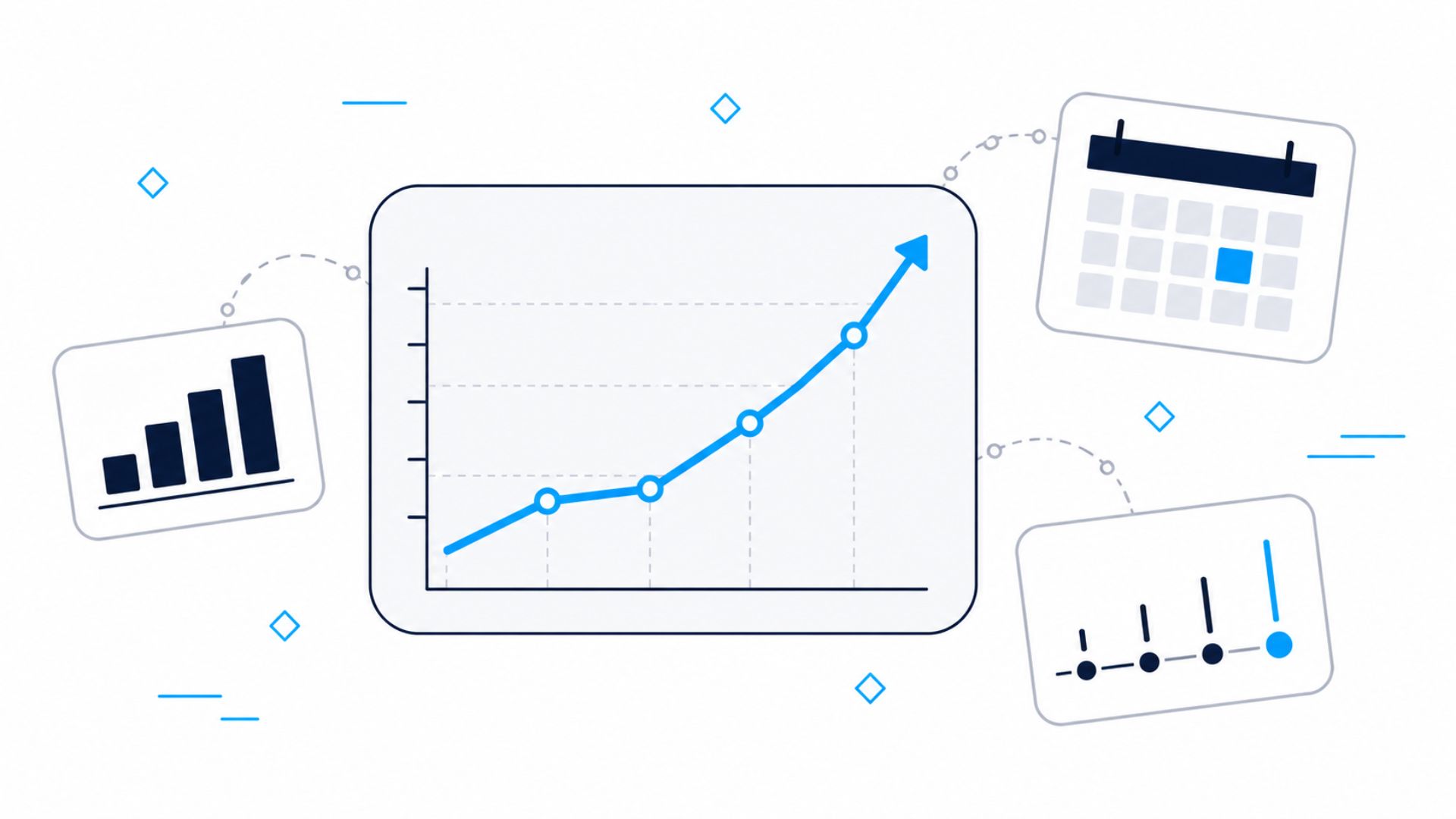
Forecasting shouldn’t be a one-time exercise — it should evolve as your event approaches. Registration pacing is a powerful indicator. Are you seeing a surge early on, or are most sign-ups happening close to the event date?
By tracking registration velocity, you can:
This is where having the right tools becomes essential. ExpoTrac event registration software, for example, helps you track attendance not just at the show, but throughout the entire registration period. That visibility gives you real-time insights into how your numbers are trending — and whether you’re on track to “pack the room.”
Even the best forecasts need to account for human behavior. No-shows are inevitable, but they’re also predictable when you have data. If your historical no-show rate is 20%, you can plan accordingly without overcommitting resources.
At the same time, don’t forget about onsite registrations. Depending on your event type, walk-ins can significantly impact attendance. Trade shows and expos, in particular, often see a last-minute bump.
A smart forecast balances:
Your attendance forecast directly affects your BEO — from catering counts to room setup. Overestimating can lead to wasted budget, while underestimating can create a poor attendee experience.
Accurate forecasting helps you:
For hotels and venues, room block forecasting is especially critical. If you over-block, you risk penalties. If you under-block, attendees may struggle to find accommodations. Attendance data helps you strike the right balance.
Forecasting isn’t just about logistics — it’s about creating energy. A well-attended session feels dynamic and valuable. Empty seats, on the other hand, can diminish perceived impact.
By understanding attendance patterns, you can:
The goal isn’t just to fill seats — it’s to create a full, engaged room.
Every event is an opportunity to refine your forecasting model. The more data you collect, the smarter your predictions become.
With tools like ExpoTrac, you’re not just tracking who attends — you’re building a dataset that improves future planning. Over time, this leads to more accurate forecasts, better resource allocation, and consistently successful events.
Forecasting attendance isn’t about perfection — it’s about precision. When you track attendance carefully and monitor registration trends, you move from reactive planning to strategic execution. And that’s how you go from hoping people show up… to confidently packing the room.